As you have been searching for Ayurveda treatment in Houston, you must have found out about two similar-sounding methods that are quite different in their application, such as Udhwarthanam and Abhyangam. Both have their origins dating back hundreds of years in Ayurveda; both are relaxing and easily available in wellness centers all around Houston. However, the procedures themselves, tools used, and desired outcomes are different, and that is why distinguishing between them will help you choose the method that suits you best.
In this blog, you will learn about both methods, what their differences are, and why they are becoming more popular as part of a wellness program.
What Is Udhwarthanam Massage?
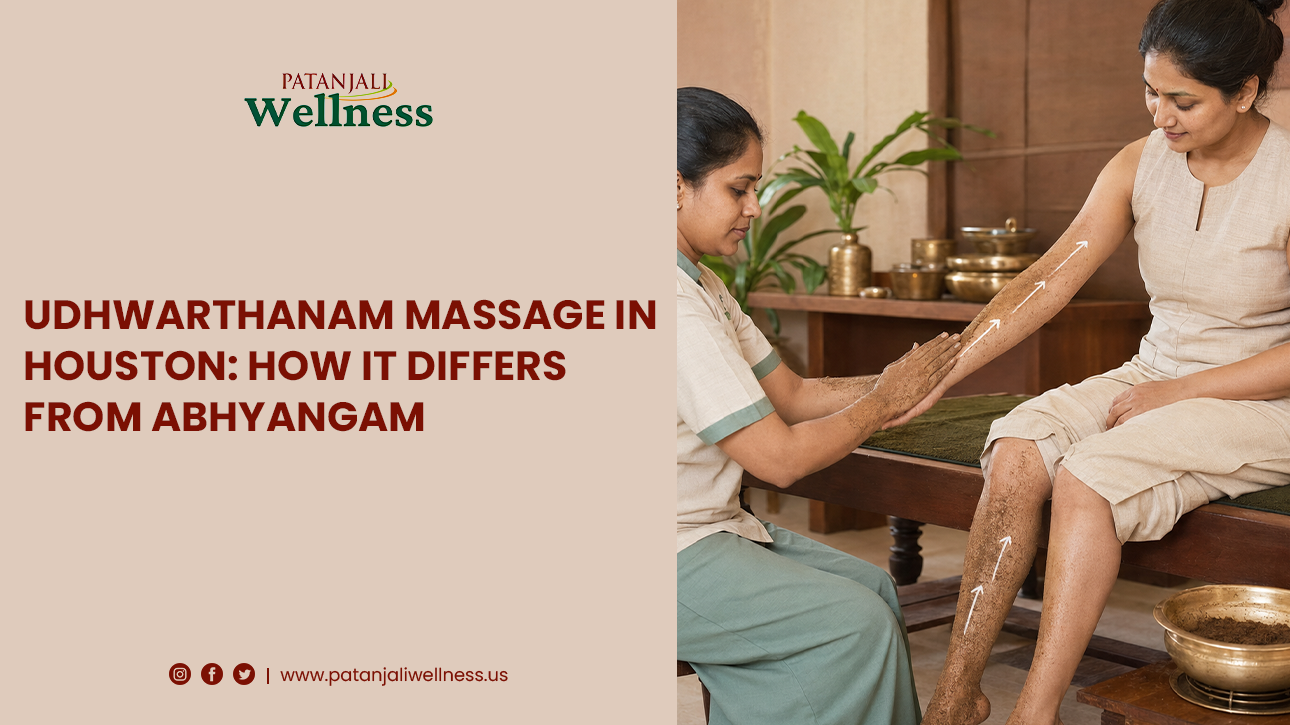
The Udhwarthanam Massage in Houston is an ancient form of Ayurvedic massage that involves the use of dry or semi-dry herbal powders instead of oils. In this type of massage, a therapist uses powerful, upward strokes going against the flow of hair on the skin. Through this process, friction is created, thus helping to promote circulation, breakdown of fatty deposits, and detoxification in the body.
This type of therapy does not involve the use of any oil but a specially blended form of Ayurvedic herbal powder massage. Some of the ingredients used in the blending of the powder include Triphala and Chickpea flour. Due to its stimulating and warming effect, this therapy is invigorating as opposed to being just relaxing.
What Is Abhyangam?
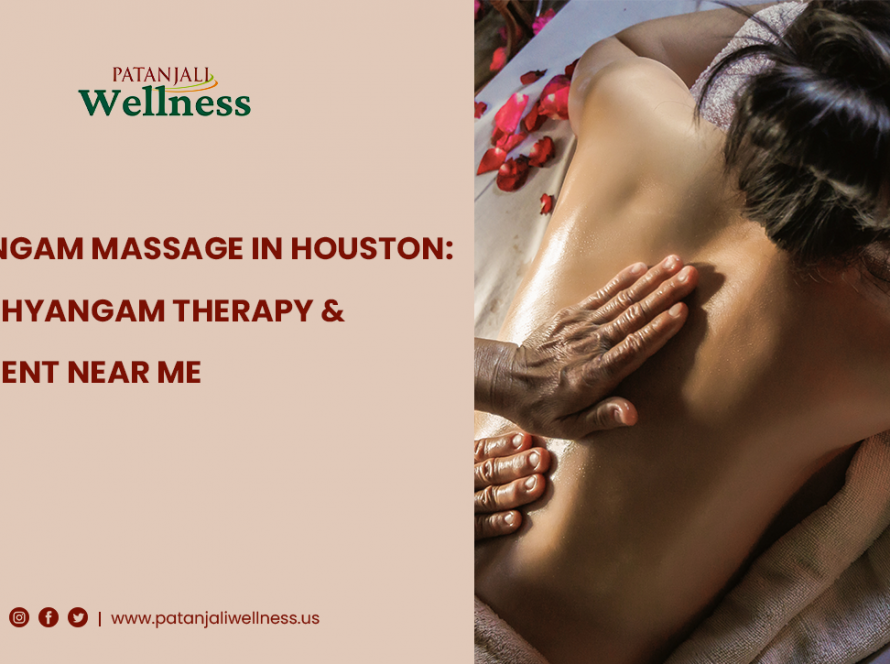
However, Abhyangam Massage in Houston is drastically different from the above-mentioned therapies. Instead of using powders, Abhyangam therapy applies generous amounts of medicated and warm herbal oil all over the body. The strokes used during Abhyangam are long, relaxing, and rhythmic, stimulating the nervous system and nourishing the muscles and skin at the same time. Many people describe Abhyangam as the most relaxing treatment among Ayurvedic therapies.
Moreover, an Abhyangam Treatment in Houston starts with the selection of appropriate oil according to the dosha of the body, followed by synchronized strokes to enhance lymphatic drainage and relaxation. Abhyangam is recommended as an introductory Ayurvedic ceremony and is suitable for people who are suffering from stress, lack of sleep, or fatigue.
Udhwarthanam vs Abhyangam: Key Differences
While both therapies share Ayurvedic roots, the way they’re performed and the outcomes they target set them apart significantly.
Technique and Direction
The Udhwarthanam technique uses an upward and outward movement against the hair growth pattern to create more friction and stimulate the lymphatic system, whereas Abhyangam uses longer strokes following the hair growth pattern for relaxation and better oil absorption. This change in direction is sufficient to alter the experience of both therapies on the body.
Purpose and Focus
Udhwarthanam Treatment in Houston will usually be done for the stimulating and detoxifying qualities of this treatment, as well as the toning effect of this type of massage. Abhyangam is more focused on the relaxation of the mind and restoration of balance in the nervous system. There is no such thing as a better treatment between the two since each serves a distinct purpose.
Texture and Ingredients
The first and most apparent difference lies in their textures. While one requires dry herbal powders, the other makes use of medicated oils. This difference gives the Ayurvedic herbal oil massage its characteristic moisturizing and nourishing effects, in contrast to the exfoliating and revitalizing benefits of the herbal powder massage.
Udhwarthanam Benefits
There can be numerous reasons why people opt for this form of massage, but the Udhwarthanam Benefits Treatment reach far beyond mere relaxation. It is known to promote healthy circulation, help reduce the appearance of cellulite, remove dead skin cells from the surface of the skin, and also help the body expel unnecessary fluid buildup. Most patients will find that the stimulating motions make their skin feel smoother and firmer already after a few treatments.
Not only does it have physical benefits, but this massage is also valued for being part of the detox regimen. The friction caused by the herbs helps mobilize the toxins, or “ama,” in the body, which makes it easier for the body to flush them out.
Finding Herbal Powder Massage in Houston
If you are interested in trying out the scrubbing form of Ayurvedic massage, then try to find out about the availability of Herbal Powder Massage in Houston. The efficacy of this massage technique largely depends on the quality of herbs and the skill of the therapist performing the treatment. Therefore, it makes sense to find a center where the therapists have expertise in this classical form of Ayurveda.
Choosing the Right Ayurvedic Treatment in Houston
The decision to opt for one therapy over the other usually depends on what your body requires at the moment. If you feel that you need to revitalize yourself, suffer from fluid retention, or need a stimulating massage, Udhwarthanam would suit you. However, if you are seeking complete relaxation, then Abhyangam is probably the perfect therapy for you. Most of the wellness clinics that offer Ayurvedic Treatment in Houston suggest the use of both of these therapies alternately.
Other Complementary Ayurvedic Therapies in Houston
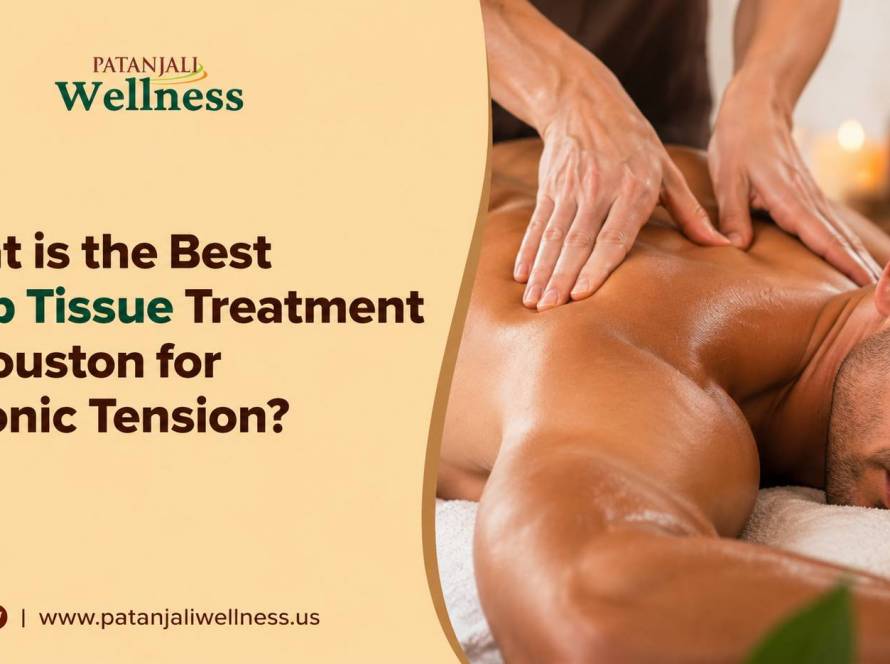
Ayurvedic wellness practices do not usually end at just one treatment. Most centers also have Cupping Therapy in Houston, which uses a vacuum to treat muscle tightness by improving the flow of blood to certain body parts. In the case of people experiencing chronic muscle tightness, Deep Tissue Massage in Houston is highly recommended along with Ayurvedic massage therapy.
In general, the advantages of Ayurvedic massage apply almost universally to every system of the body. From improved digestion to better sleep and less anxiety, there is almost nothing that Ayurvedic Massage does not achieve. In the case of muscle tightness due to long working hours and physical activities, Ayurvedic therapies for muscle tension can help a lot.
What to Expect During Your Session
A visit to the clinic may be somewhat daunting if one is not sure what to expect, so it will be good to know a bit about what goes on during a typical treatment process. A treatment generally starts with a consultation with the practitioner, during which he or she discusses your medical history and the problem area, as well as your expectations from the therapy. This information will help the specialist make adjustments in terms of pressure, use of certain herb mixtures, and other factors.
Patients who have signed up for Udhwarthanam Massage in Houston are to expect not only a warm environment but also rather brisk massage strokes. The herbal powder is applied onto the skin using sweeping movements, and a stimulating effect is felt due to increased circulation. A session lasts about 45-60 minutes, with a short rest period after it.
As opposed to a Pizhamuthirichil session, an Abhyangam session is slow-paced. The body is liberally oiled, and the massage therapist will apply coordinated long strokes covering all parts of the body, from the scalp down to the feet. It is common for many patients to enter a state of meditation even before the treatment is over.
No matter which form of therapy you go for, it would be wise for you to arrive a little earlier, ensure that you are not hungry when you get there, and plan to rest afterwards. Staying hydrated after the treatment is very important after a detox treatment such as Udhwarthanam.
Final Thoughts
Udhwarthanam and Abhyangam massage both have amazing benefits that are tried and true, yet these two methods use entirely different approaches. While one uses dry herbal powder for stimulation and cleansing, the other one uses warm oil for soothing and moisturizing purposes. It becomes much simpler to pick out which method will work for you, or perhaps incorporate both into your therapy if you want to get the best results. We at Patanjali Wellness are proud to present genuine Ayurvedic procedures, such as Udhwarthanam Massage in Houston.
Frequently Asked Questions
- What is the primary distinction between Udhwarthanam and Abhyangam?
The primary distinction between the two is in terms of the ingredients used and the method in which they are applied. An Udhwarthanam massage therapy involves the use of dry herbal powders with brisk movements in an upward direction to facilitate circulation and detoxification, whereas the Abhyangam involves warm medicated oil with gentle strokes.
2. What are the Udhwarthanam benefits?
Udhwarthanam Benefits that most people experience are enhanced circulation, decreased water retention, toning of the skin, and assistance in the body’s detoxification process. People opt for this massage therapy when they aim at losing weight or have opted for a stimulating treatment.
3. Which is better for stress relief, Udhwarthanam or Abhyangam?
Abhyangam is preferable for stress relief because it is a therapy that uses slow strokes of oil and is intended to relax your nervous system. On the other hand, an Udhwarthanam Treatment is a stimulating massage, making it suitable for circulation, detox, and toning.
4. What ingredients are included in an Ayurvedic herbal powder massage?
An Ayurvedic Herbal Powder Massage usually involves dried herbs, such as triphala and chickpea flour, among others. These ingredients are meant to stimulate you and make your skin glow.
5. Could Ayurvedic massage be combined with other types of therapies such as cupping or deep tissue massage?
Sure. At most wellness centers, it is common for practitioners to combine the treatment of either Udhwarthanam or Abhyangam with cupping therapy in order to relieve certain muscle tensions.